
JB
★★★★★
March 11th, a brief but strong storm came through Goodlettsville and blew over two giant trees in my front yard; one which was being supported by a 3rd tree that was facing and threatening my house. It was an…
Julie Bangs●3 days ago
From removals to structural pruning to 2 a.m. storm calls, we're on call. With 24/7 storm response, we're built to help Albuquerque's trees through the spring wind season, summer monsoon microbursts, and the drought stress that define tree risk in the high desert. Expert arborists, on call around the clock.

The Certified Arborist Tree Service brings expert arborists, consistent standards, and the insurance that matters to your property across Albuquerque and the surrounding middle Rio Grande valley, whether it is one split Siberian elm or a whole block after a monsoon storm.
Albuquerque sits at roughly 5,000 feet on the Rio Grande, with the Sandia Mountains to the east and the West Mesa beyond the river. Rainfall is low and the sun is intense. The valley's alkaline river soils hold iron in a form many planted shade trees cannot take up, and up on the mesas, sandy ground and pockets of caliche limit how deep roots can go.
Knowing which trees are already running short on water, and how a March wind event or a July microburst will load a crown that grew lopsided toward the irrigation, is what keeps a tree standing instead of across a wall or a roof. That is the judgment a crew with a chainsaw does not carry.
When a tree fails here, the cause is often one of these problems, which an arborist checks on an Albuquerque site visit.
Sustained winds from March into May, then sudden monsoon downbursts from July to September, snap brittle Siberian elm and ash limbs. Structural pruning ahead of both seasons reduces the sail and the weak unions.
Yellow leaves with green veins on ash and other shade trees usually trace back to the valley's alkaline soil holding iron out of reach. Soil and trunk treatments do more than pruning off the symptom.
Ips bark beetles move into drought stressed Afghan, Austrian and pinyon pines. Fading tops and small pitch spots on the bark are early signs worth checking before the whole tree turns.
Older cottonwoods cut off from the water they grew up on pick up cytospora canker and wood boring beetles. Dead limbs over a house or driveway in a large cottonwood deserve an inspection.
Serving Albuquerque and the surrounding middle Rio Grande valley communities.
Click an area to learn more about it.
Tell us what is going on with your trees. An arborist serving Albuquerque calls you back, walks the property, and puts the price in writing before anything is scheduled.
Prefer to talk? (505) 520-3410Real reviews from real customers, straight from our Google Business Profile. Here's what people say once the crew has packed up and the yard is clean.
March 11th, a brief but strong storm came through Goodlettsville and blew over two giant trees in my front yard; one which was being supported by a 3rd tree that was facing and threatening my house. It was an…
From the time I inquired w this company about removing a tree that was strongly impacted from the major strong 80 mph winds on March 3, 2023, they provided us w exceptional service in every way . They were…
My family had a tree removal emergency! A large tree in our back yard was on fire and splitting down the middle. The fire department came out the night before to extinguish the fire, but when I woke up the…
Whether a tree is damaged, dead, or a safety hazard, our crews handle removal safely and efficiently, with minimal disruption to your property.
Learn more →Keep your trees safe, structured, and looking right. We remove dead or overgrown branches, improve clearance, and reduce storm risk.
Learn more →When storms cause tree damage, our emergency team responds quickly to remove hazards, clear debris, and restore safety.
Learn more →Strategic pruning, cabling, and bracing to reduce storm damage risks before severe weather hits.
Learn more →Identifying potential hazards before they become problems. Tree stability, structural integrity, and surrounding risks evaluated on-site.
Learn more →Get expert arborist guidance without a site visit. Share photos or video of your trees and receive a written assessment and estimate within 24 hours.
Learn more →Simplify tree care across multiple properties with a single, trusted provider. Consistent maintenance and emergency response.
Learn more →One point of contact for the whole community: scheduled rounds, reports a board can read, and uniform standards across every lot.
Learn more →ROW maintenance, public works contracts, and storm response for city forestry teams. We handle permits and traffic plans.
Learn more →Corporate campuses, hospital systems, and headquarters landscapes. Quarterly walks, annual risk reports, and paperwork your facilities team can keep on file.
Learn more →Fast dispatch to any property in our service area, with the insurance that matters and safety plans your operations team can review.
Learn more →A geotagged inventory of every tree on the property: species, age, condition, and recommended work, refreshed annually.
Learn more →Local soil, local weather, local pests. Each species here fails in its own way, and we plan around all of them.
The native tree of the bosque and many older valley lots. It grows huge and fast, and its soft wood drops large limbs once drought, canker or decay set in.
Found in nearly all of the older Albuquerque neighborhoods, it tolerates heat and poor soil but carries brittle wood, heavy seed crops, and elm leaf beetle feeding most summers.
A dependable street and yard tree on alkaline soil, though old topping cuts and narrow forks can leave it prone to splitting in a strong wind.
A drought tolerant shade tree that handles the valley's heat and soil well, and one that pays back early structural pruning with a sound branch framework.
Planted widely for quick shade, it often shows iron chlorosis and weak branch unions as it ages, which makes mature specimens worth inspecting.
A common windbreak and yard pine across the metro. It handles drought better than many pines but draws Ips beetles once stress sets in.
Albuquerque's thin rainfall, alkaline soil, and seasonal wind put real, specific stress on the trees planted here. A crew with a chainsaw treats the tree that already failed. An arborist reads the cottonwood with dying limbs, the pine drawing bark beetles, or the elm with a cracked union, and acts before failure, not after.
Estimates are walked by an experienced arborist. Cuts follow ANSI A300 standards, risk assessments follow TRAQ methodology, and you get a written plan before work begins.
From Rio Rancho on the mesa and Corrales and Bernalillo along the river to the north, to Los Lunas, Belen, and Bosque Farms in Valencia County to the south, each community in our Albuquerque coverage area has its own page covering the species, soil, and storm exposure specific to that town.
The risk calendar shifts from irrigated valley lots to dry mesa subdivisions, but the standard does not. Pruning follows ANSI A300 standards, and risk assessments follow TRAQ methodology.
Don't see your question? Call us. Calls are answered by a real person, day or night.
Free estimate. Twenty-four-hour response. No contracts. No commitments.
Or call (505) 520-3410, answered 24/7 by a human.
Enjoyed our service? Share your experience.
March 11th, a brief but strong storm came through Goodlettsville and blew over two giant trees in my front yard; one which was bei...
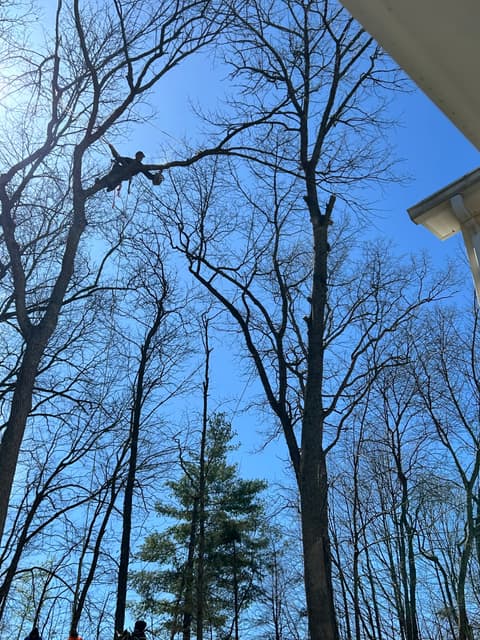
From the time I inquired w this company about removing a tree that was strongly impacted from the major strong 80 mph winds on Mar...
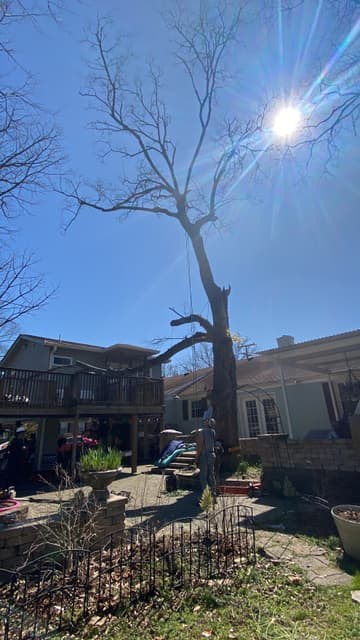
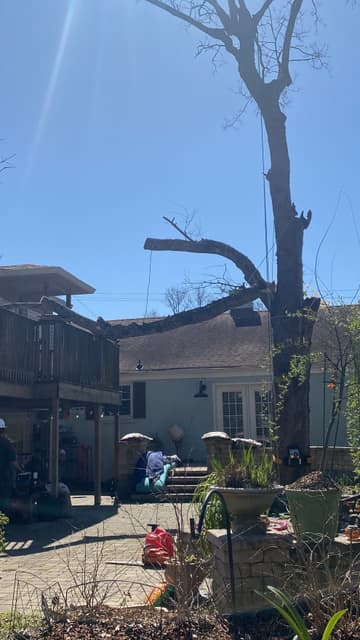
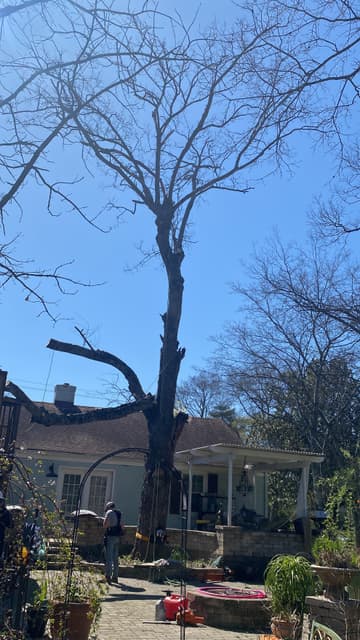
My family had a tree removal emergency! A large tree in our back yard was on fire and splitting down the middle. The fire departme...
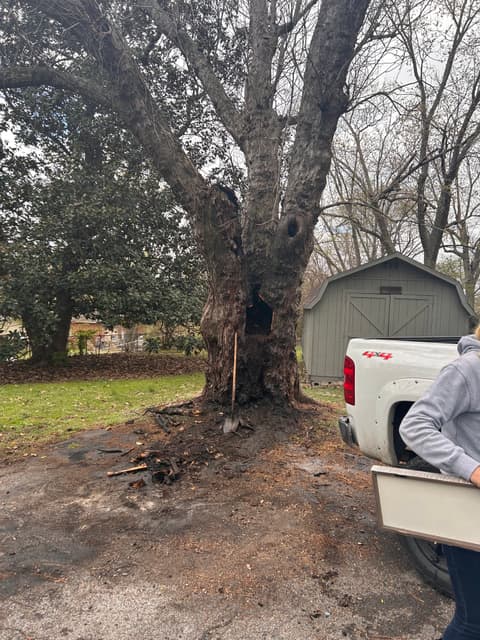
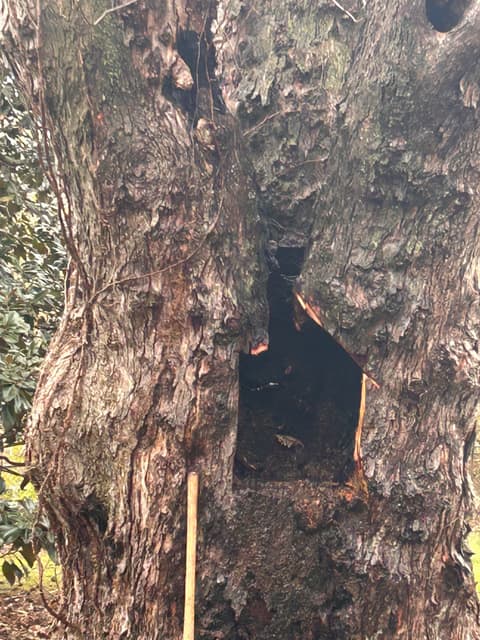
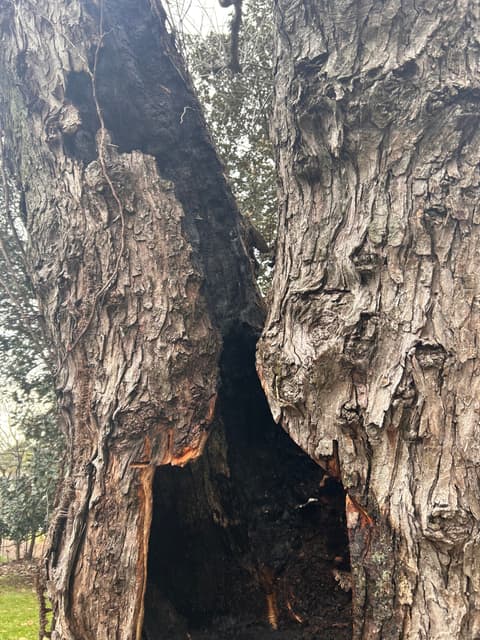
Great service, communication and fair pricing. Would recommend for any job big or small this company is the real deal! Thanks CATS...
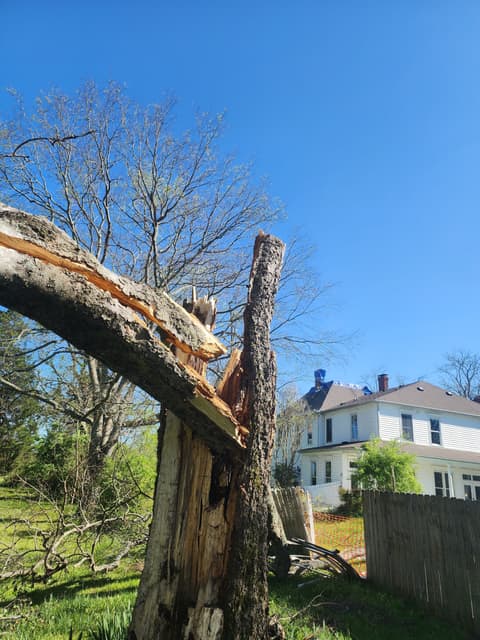
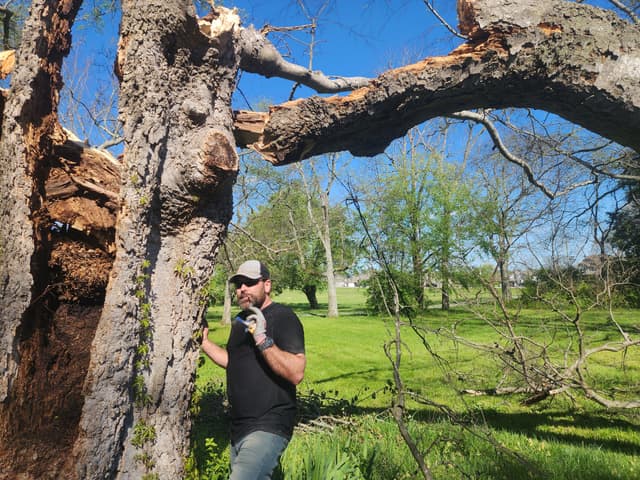
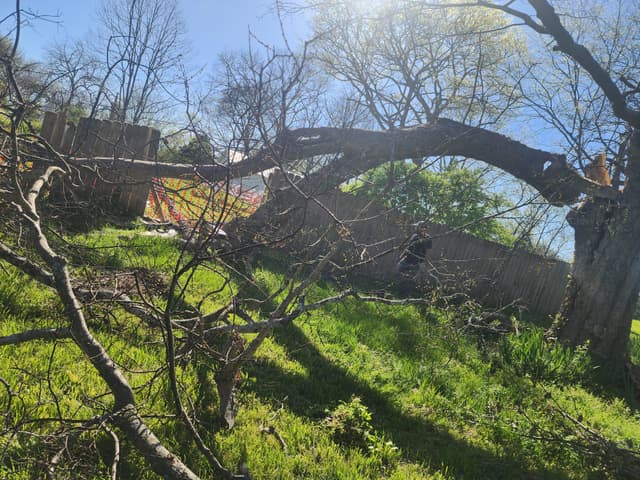
The day before Easter we discovered our largest tree had rotted and split more than halfway through. It had become very dangerous...
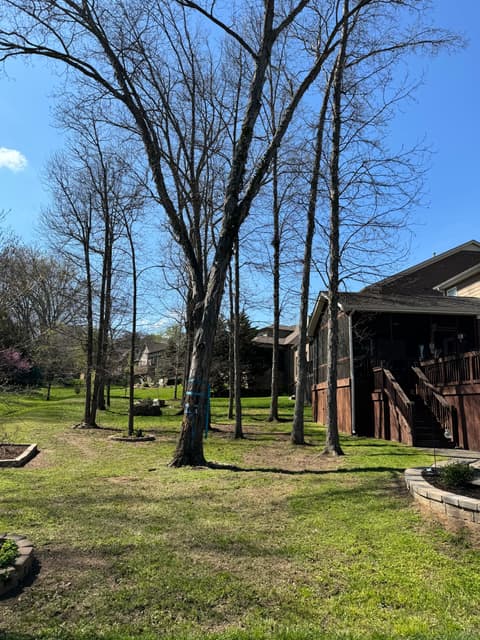
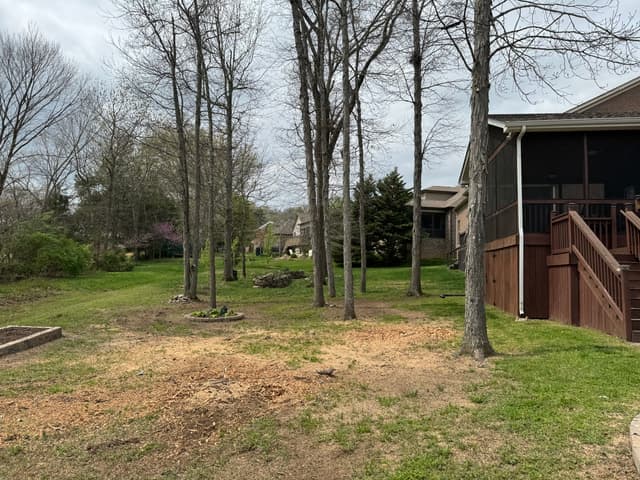
I highly recommend this company. Sales guy was awesome. He stepped me through the entire process. Gave me a great quote that I cou...
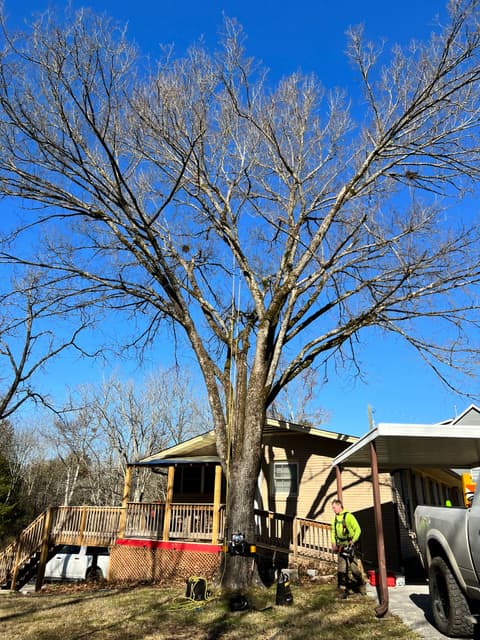
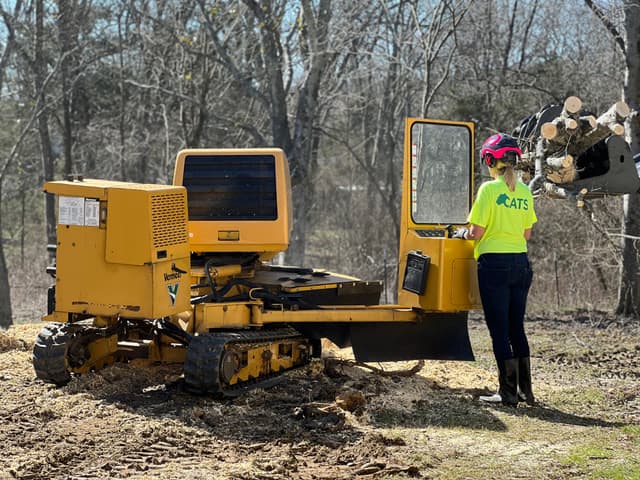
We found the company to be very efficient, listened carefully to our requests and suggestions. It was a pleasure to work with th...
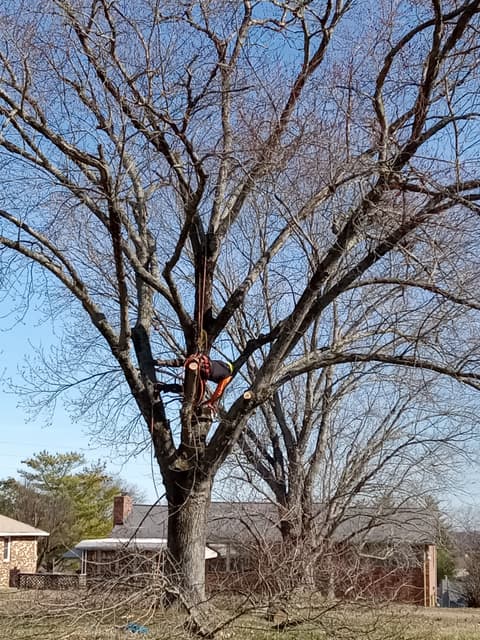
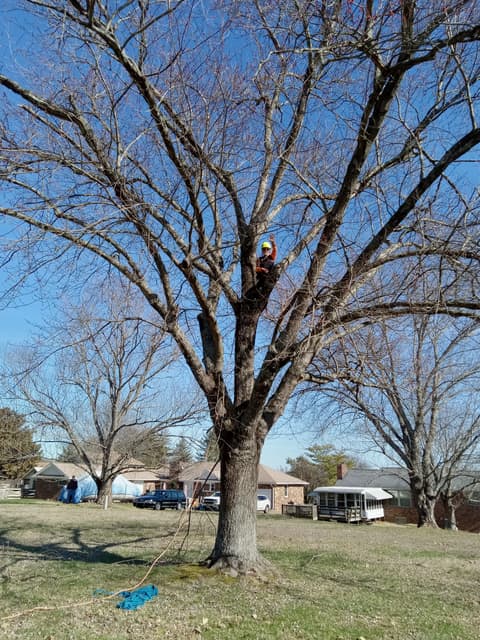
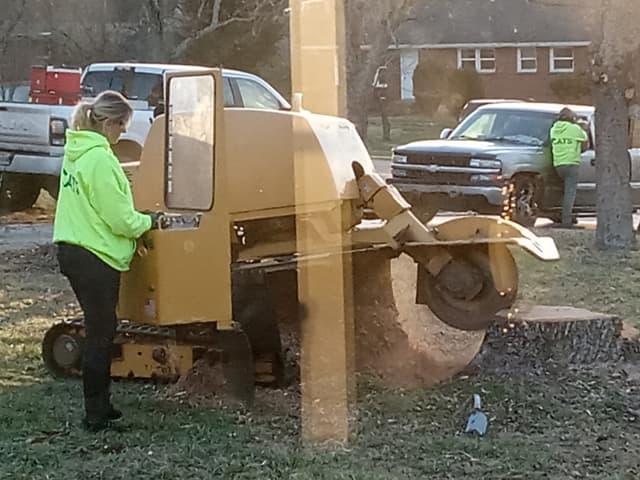
CATS and the Treemasters crew were awesome. They were so careful taking down a large hackberry and trimming another hanging right...
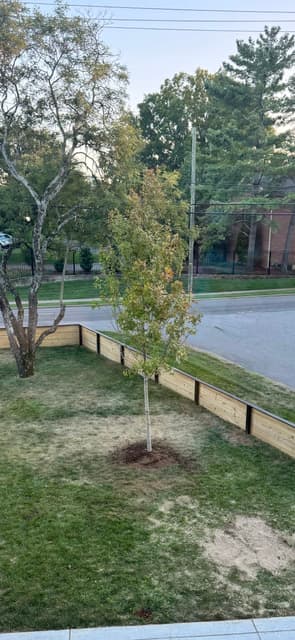
Highly recommend. We unfortunately had a large tree branch break and hanging over our house about to fall and cause some serious d...
Michael, Antonio and his crew did a fantastic job trimming the trees in the butterfly sanctuary that is our yard in Hendersonville...
Found Joe through a neighbor of ours, so happy we did. He lives and works in East Nashville- super personable and professional. Wo...